

From the taste of savory tagine to the scent of roses greeting guests in hotels, Morocco is a country that ignites all of one’s senses. The land is known for its generous hospitality, colorful mosaics, and diverse culture; indeed, Morocco did not disappoint.
Morocco, given it’s strategic location between Europe and Africa, has evolved to a melting pot of Arab, European and African influences. From its history dating back to the 12th century at the time of the Phoenicians, it has been ruled by multiple conquerors including Arab invaders and French colonizers. Its landscapes range from the imposing mountain range of the Atlas Mountains to lush valleys. The Amazigh community (formerly Berbers) has remained the indigenous people of Morocco through years of turmoil, and as I’ll discuss later, is making great strides to reclaim its culture.
I began my short visit to Morocco last weekend by arriving in the coastal town of Casablanca. Casablanca is Morocco’s economic center with its very own stock exchange. What made my time in Morocco especially beautiful was experiencing life as a local thanks to my sweet friend, Sofia. Sofia and her circle welcomed me into their lives with open arms, and, in doing so, provided me with the lens of a local to experience their homeland.
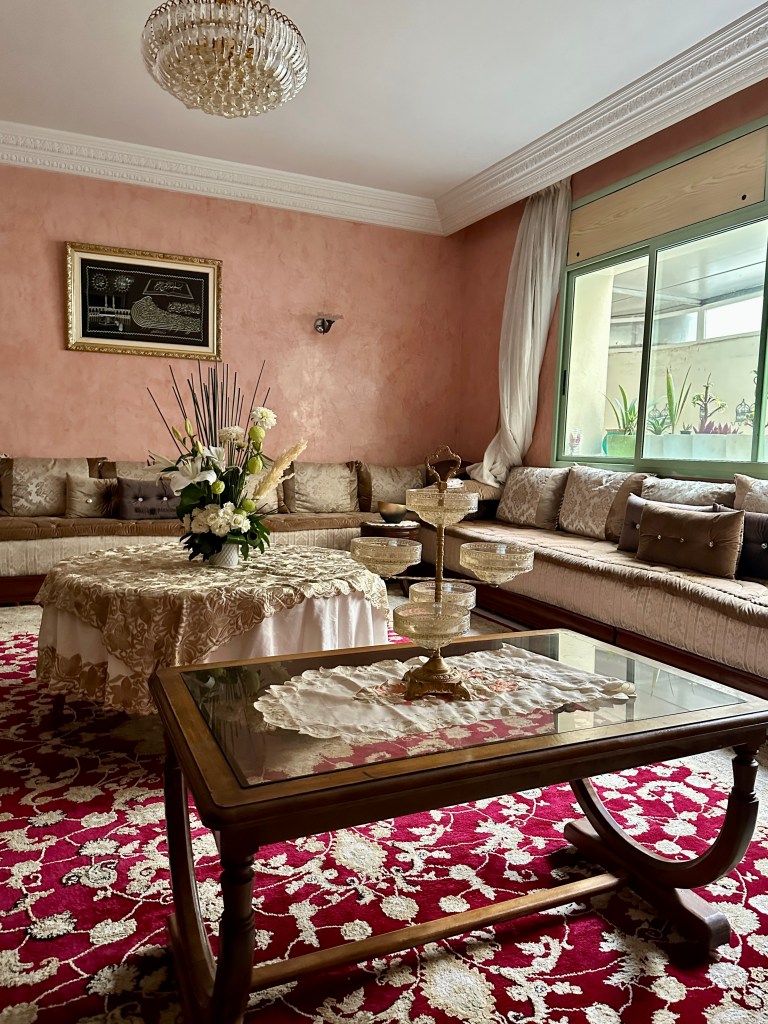
Life as a local also uncovered what gleaming tourist-filled buses often hide: the tragic and unfair reality of life. No matter where my travels have taken me, I’ve realized the world is divided into the haves and have nots. While on one side I witnessed the toys of the ultra rich (a matte black Lamborghini awaited the return of its owner in front of our dinner spot), dilapidated apartments and beggars also lined the street. Still, I share with you now only the good of this delightful country.
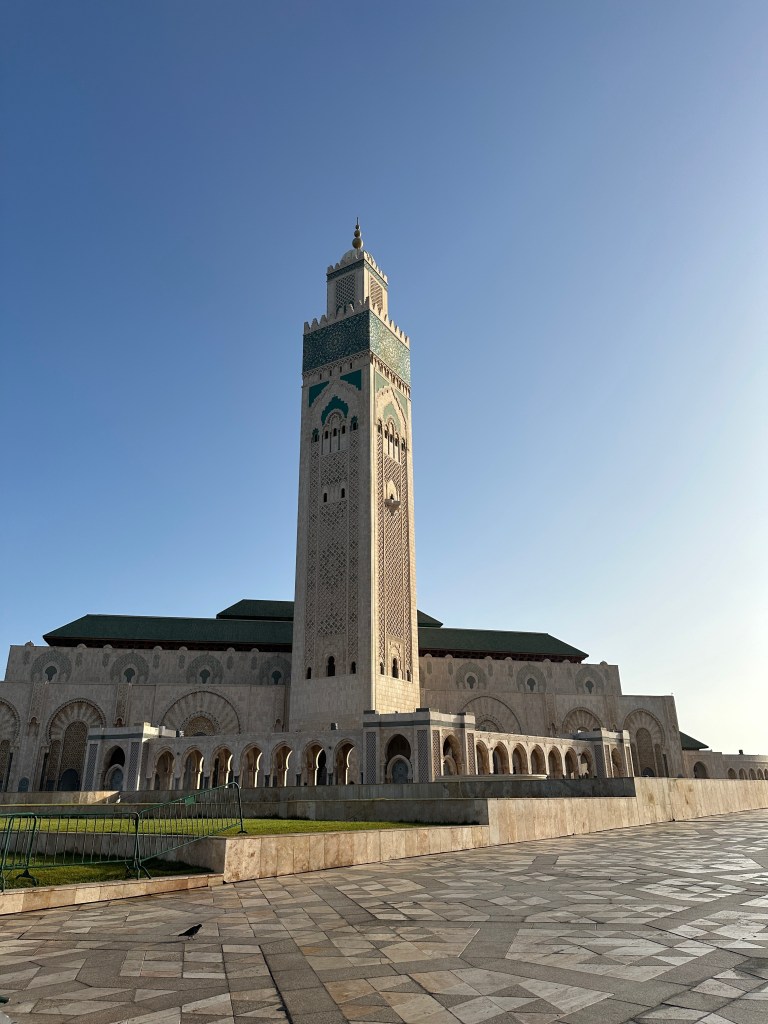
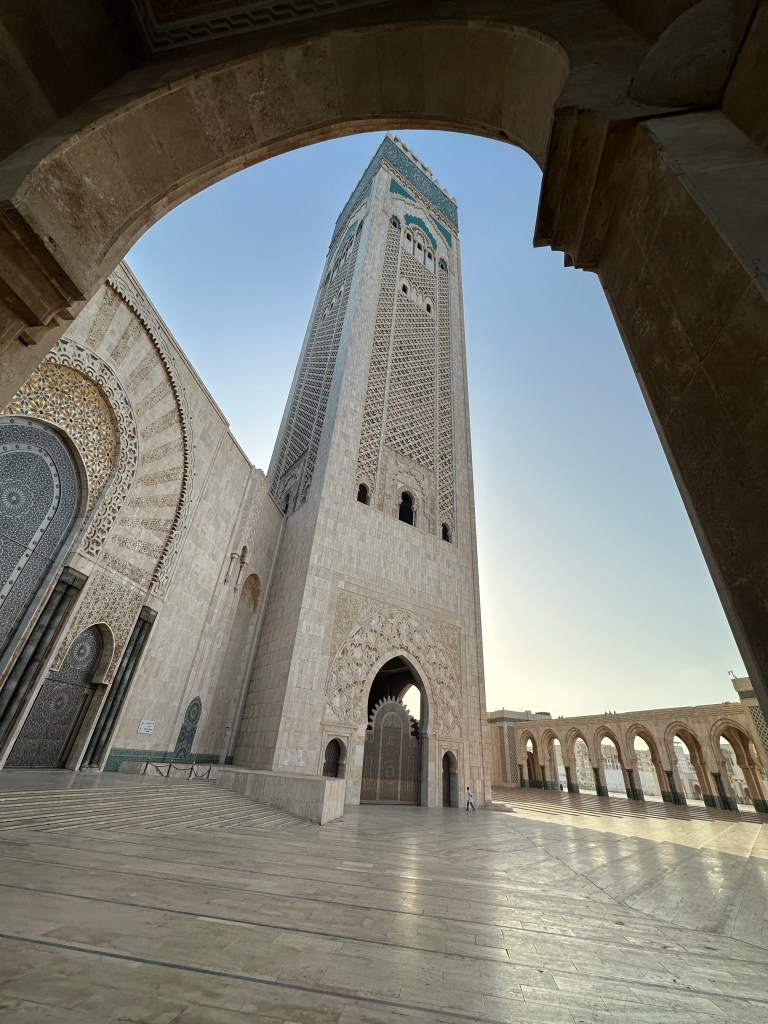
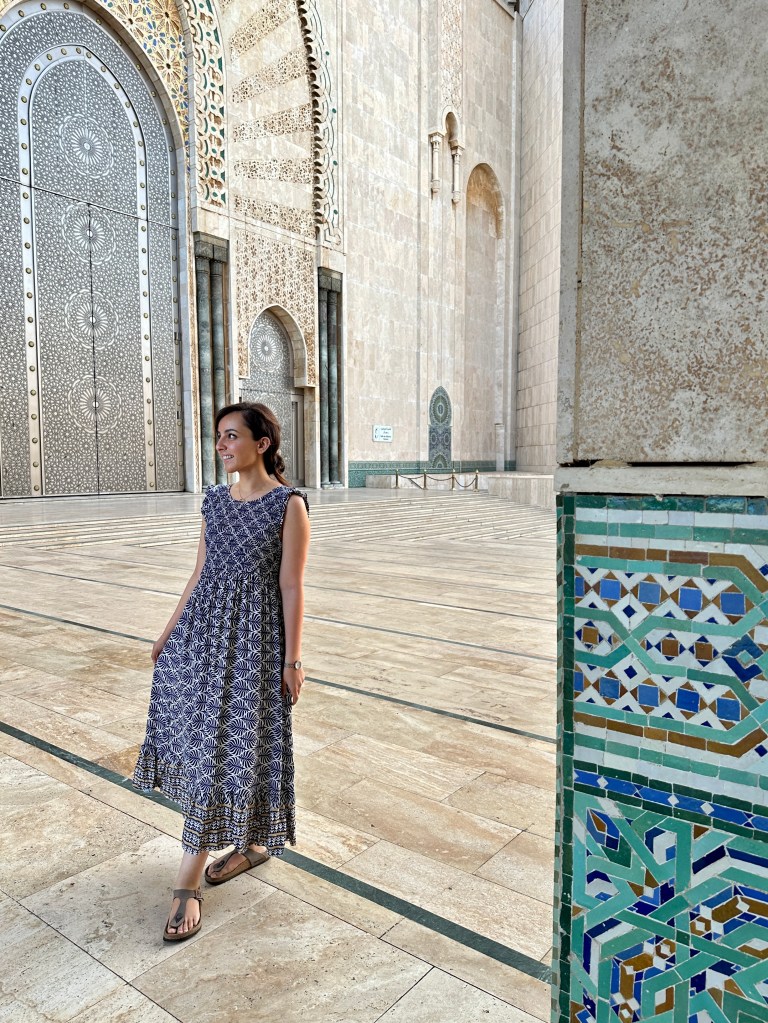
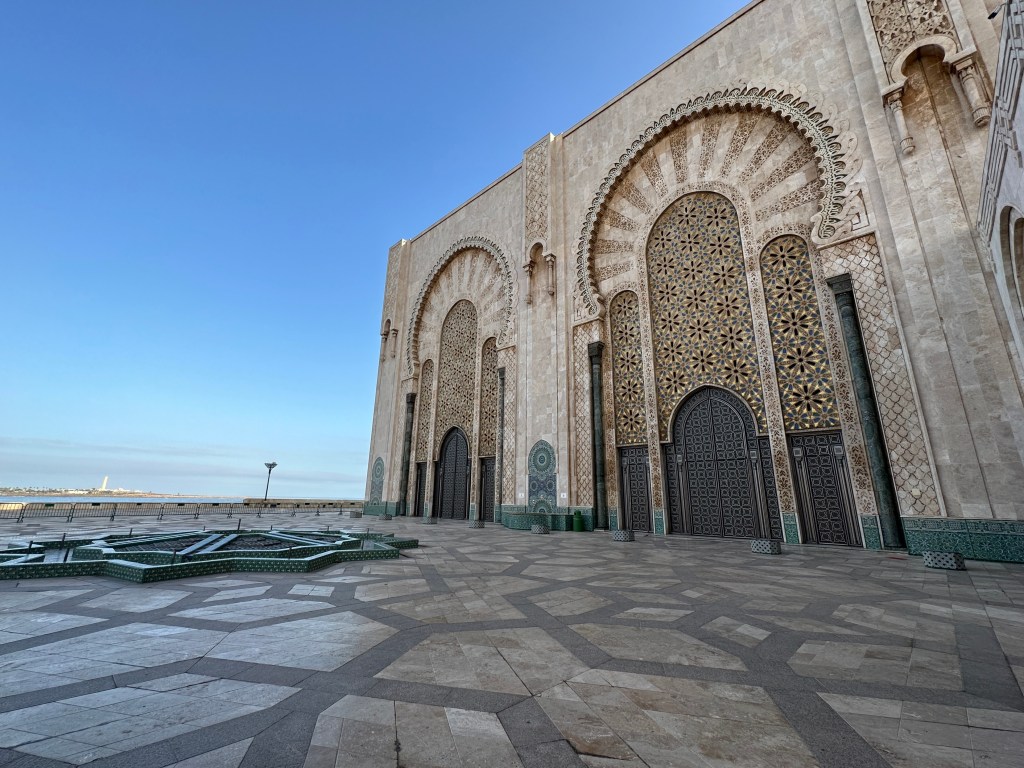
A visit to Casablanca would be incomplete without a visit to the Hasan II Mosque. Completed in 1993, the mosque straddles land and sea, and is one of the largest mosques in the world.
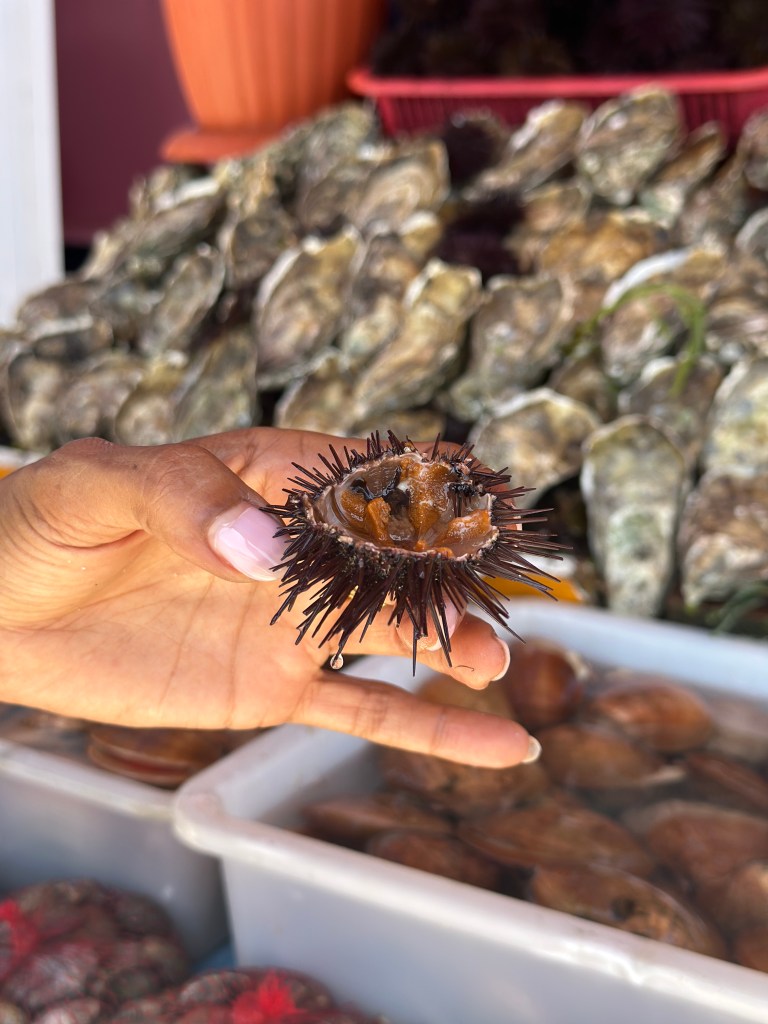
Soon after, we travelled to the town of Ouilidia (way-lee-di-yuh), a pleasant beach town and local favorite. There Sofia introduced me to her favorite oyster stall and the two of us enjoyed some of the freshest oysters (and sea urchin!) of the season.

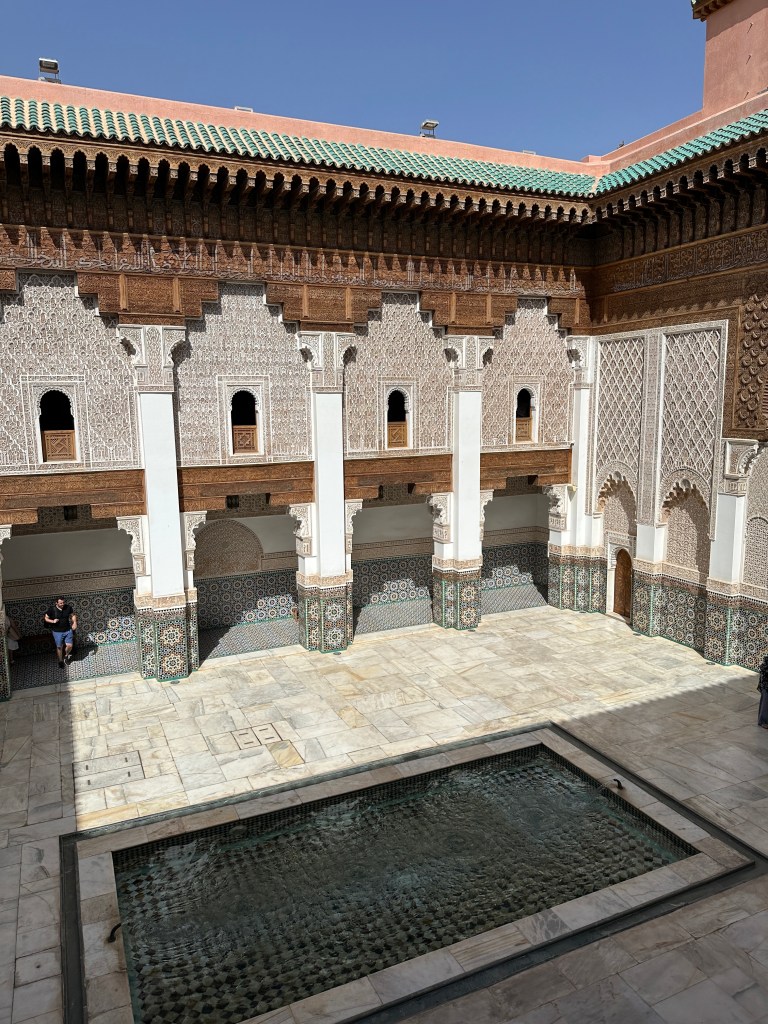
Marrakesh was our final town of visit. Known as the “red city” after the clay-red material used to build its buildings, Marrakesh is the heart that beats the essence of Morocco. Pictures cannot do this bustling, vibrant, and ancient town justice; below is merely my attempt to capture a few of its many delights.
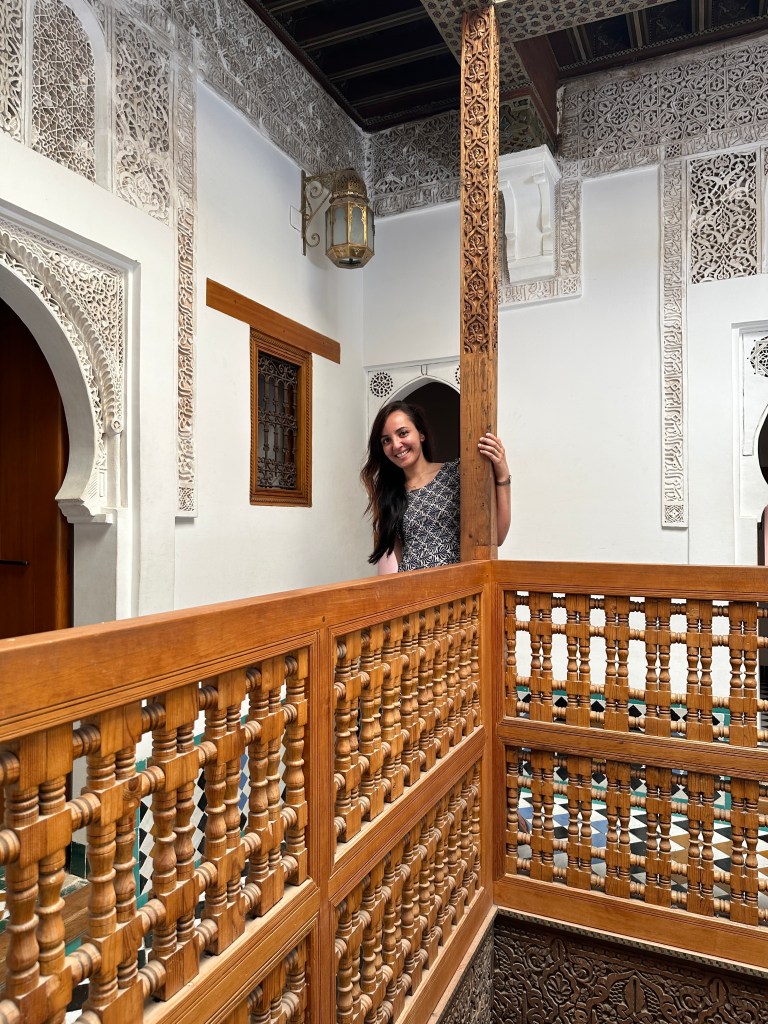

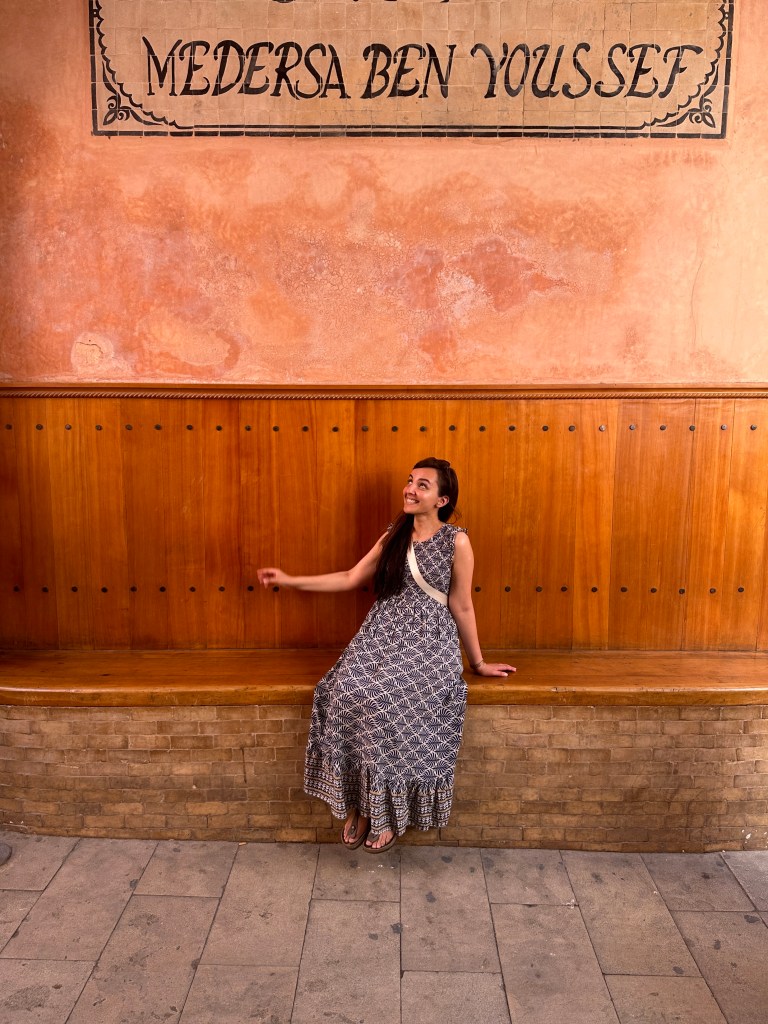

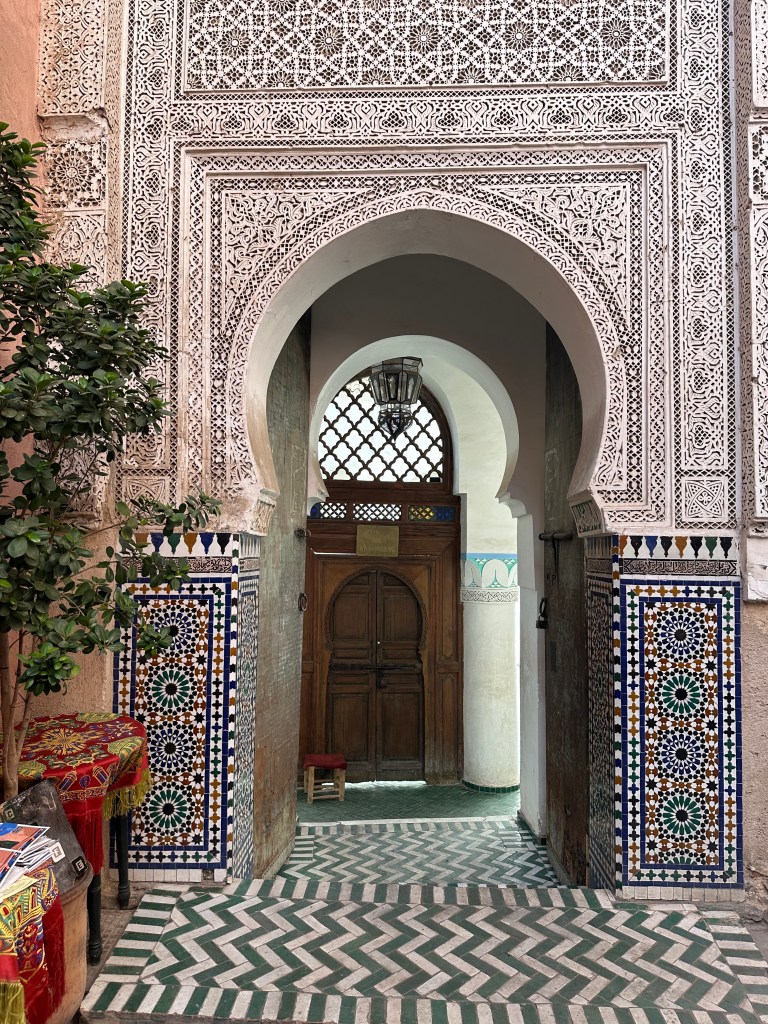
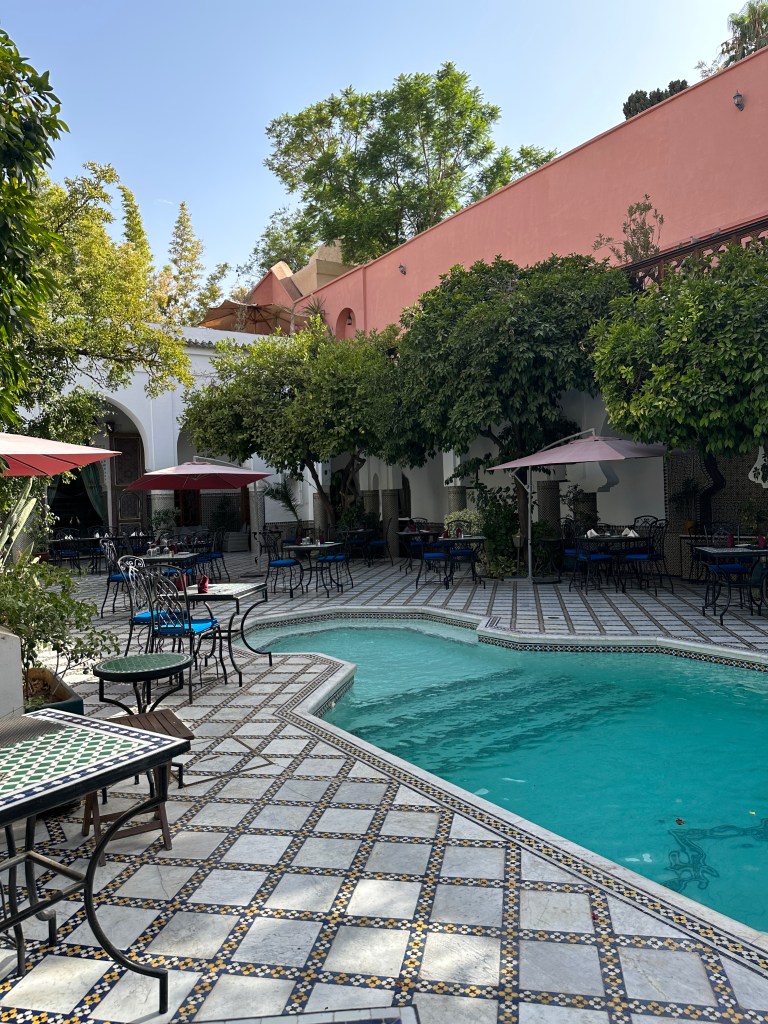
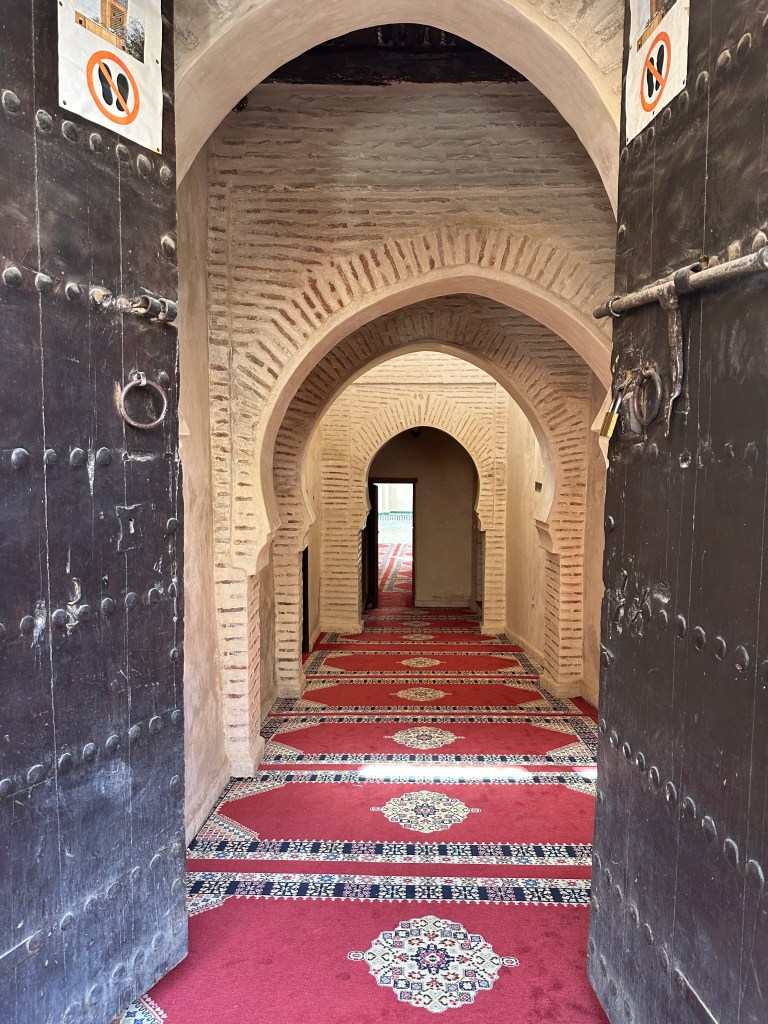
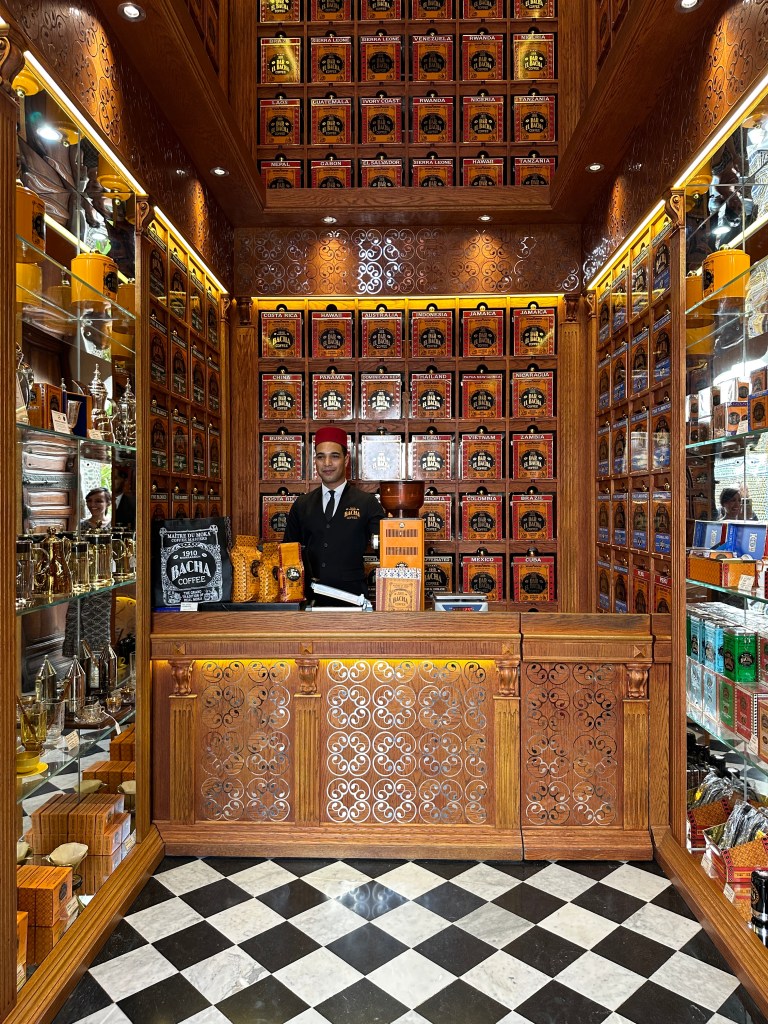
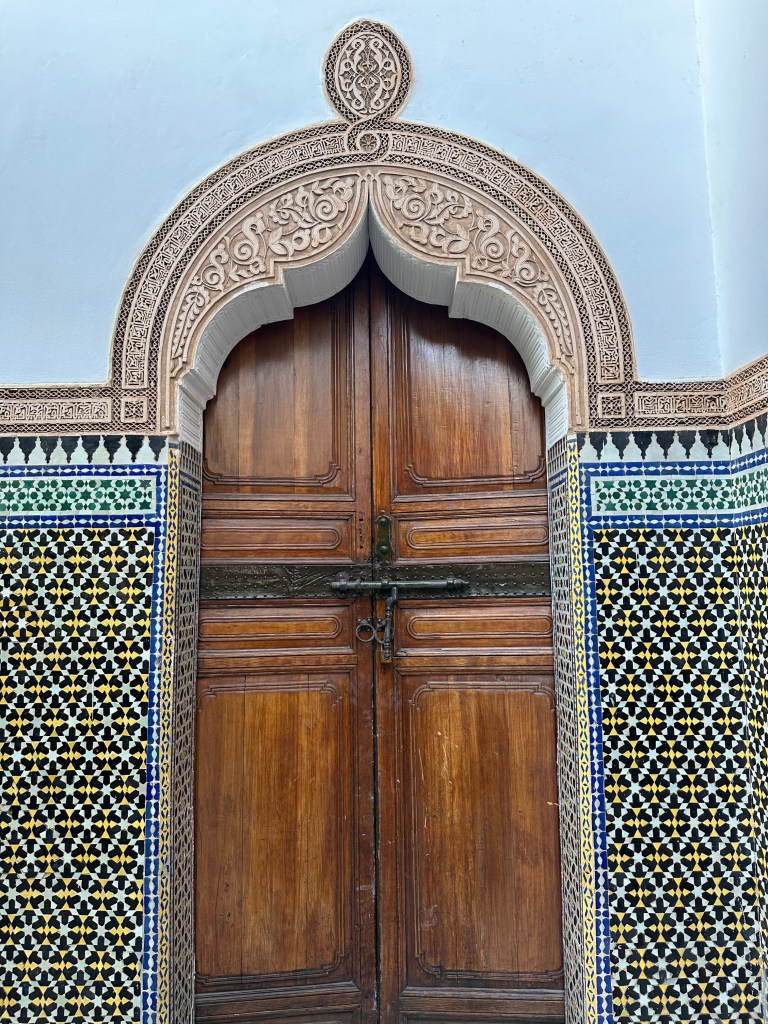
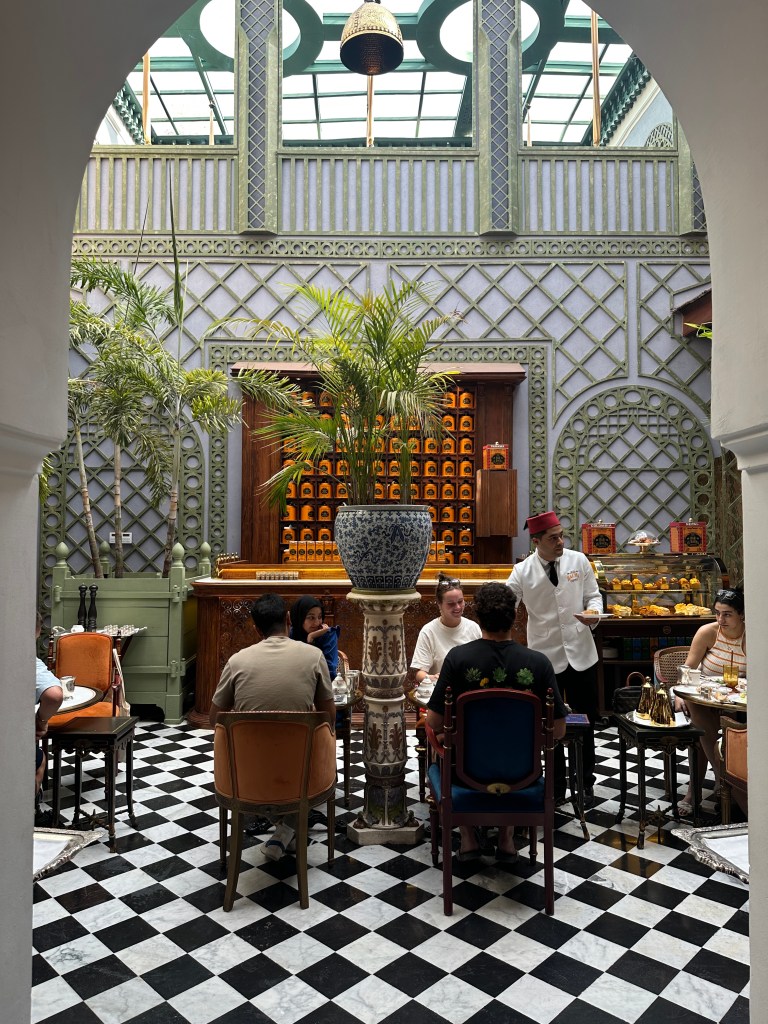
As alluded to in the caption above, the Moroccans created simple exteriors to protect beautiful interiors. The concept was simple: avoid extravagance and prevent hasad, or jealousy, from strangers. To illustrate this, watch the video below, where the host leads me from a simple door to an elegant restaurant, complete with indoor courtyard.
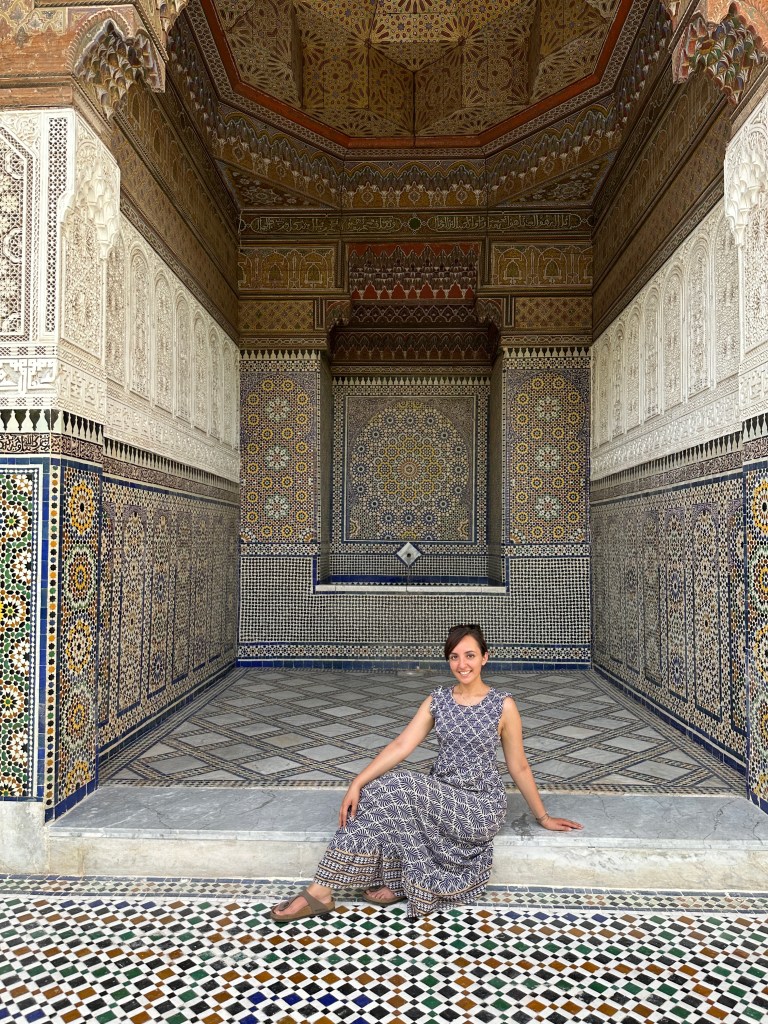
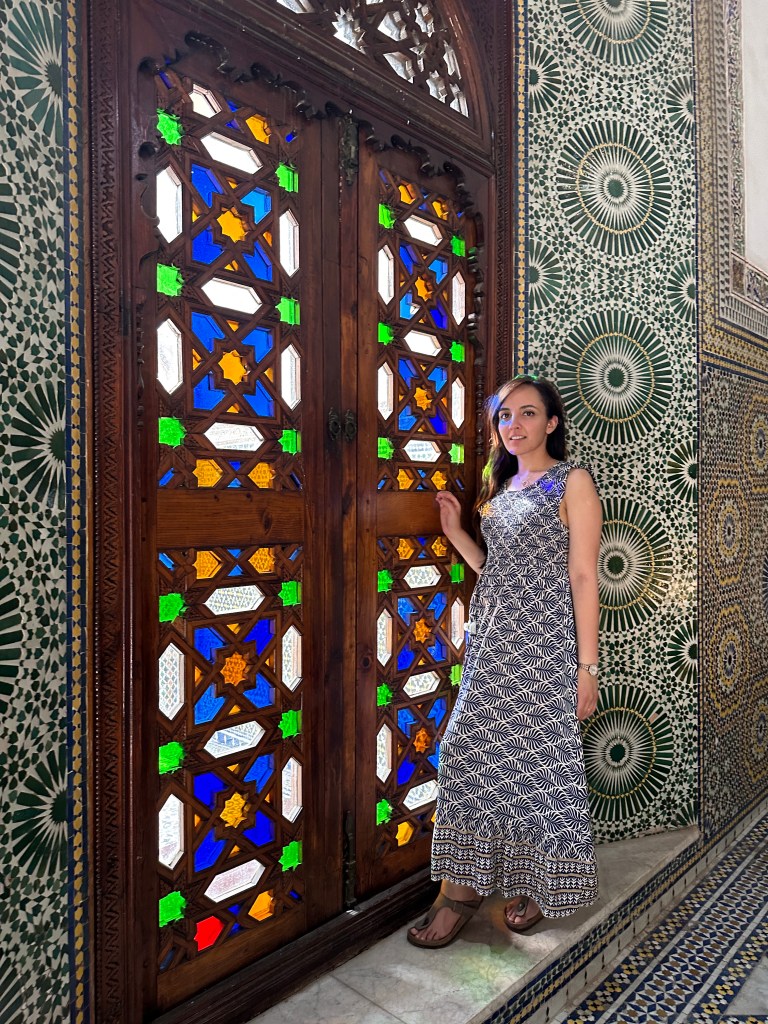
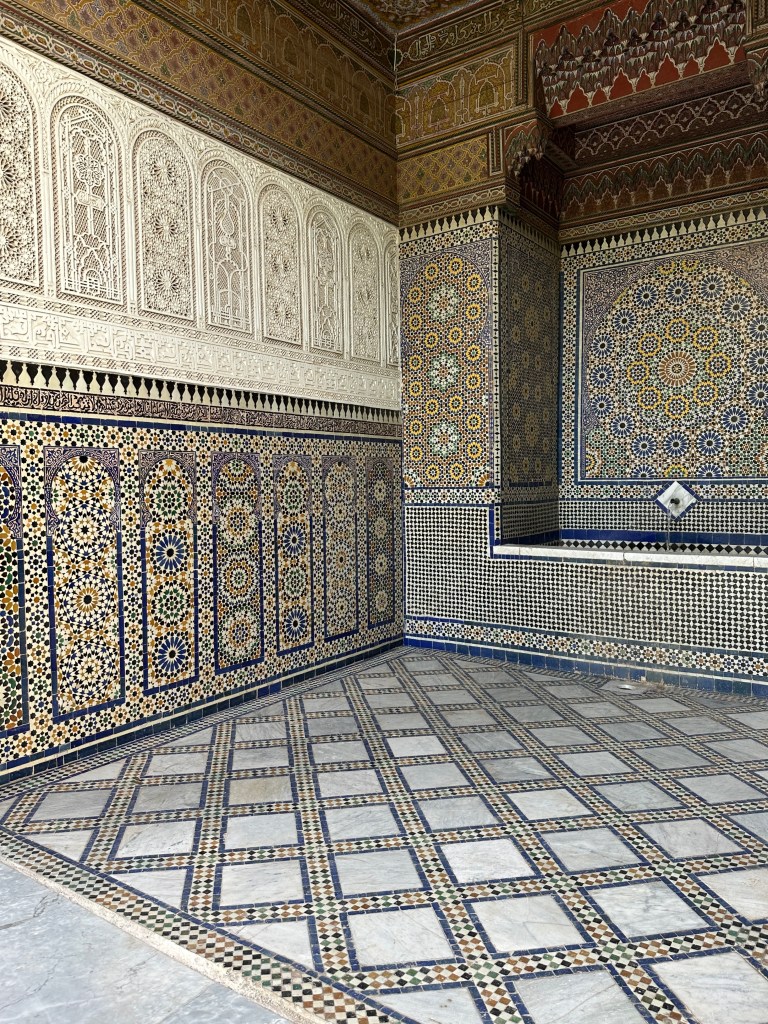
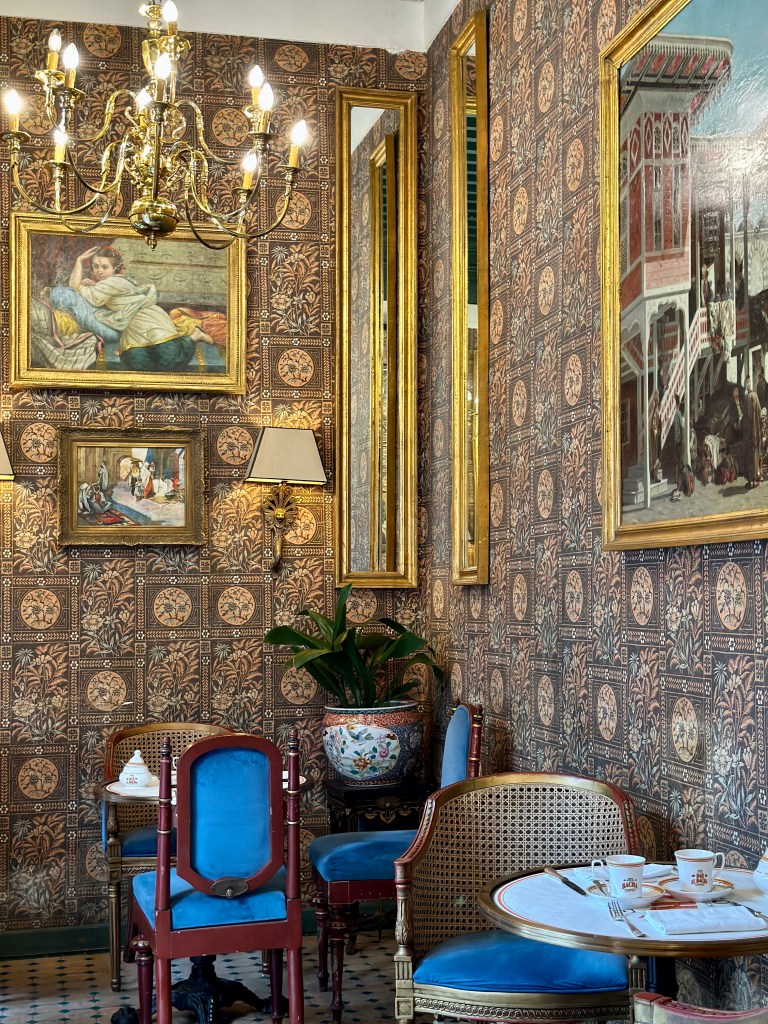
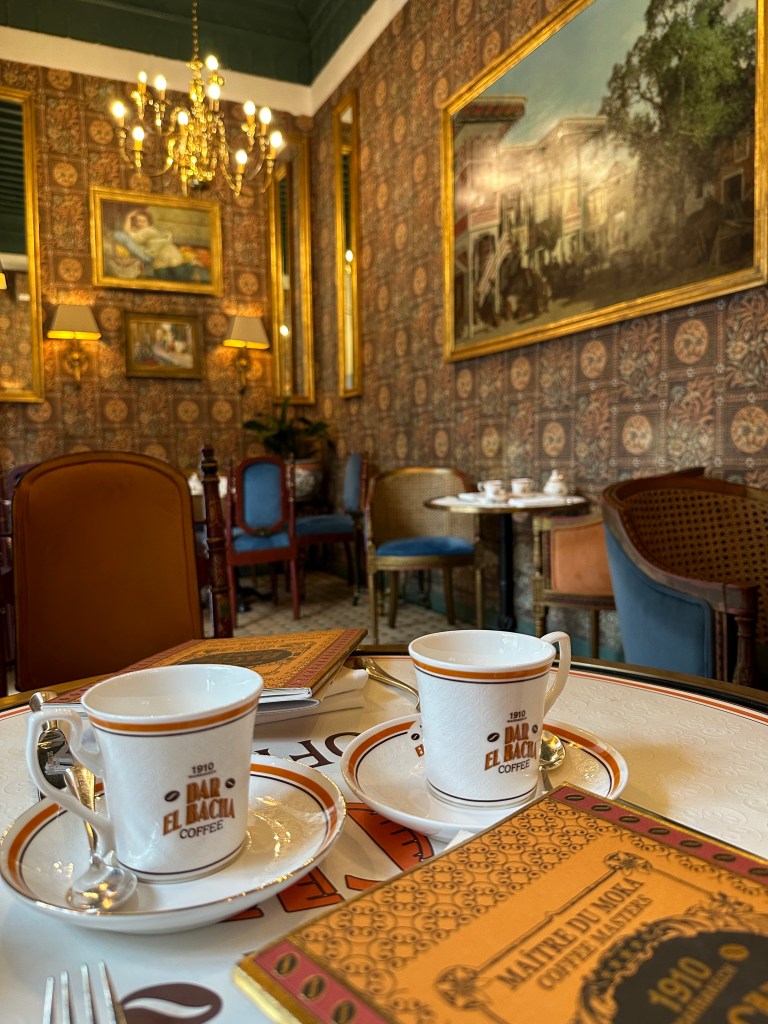
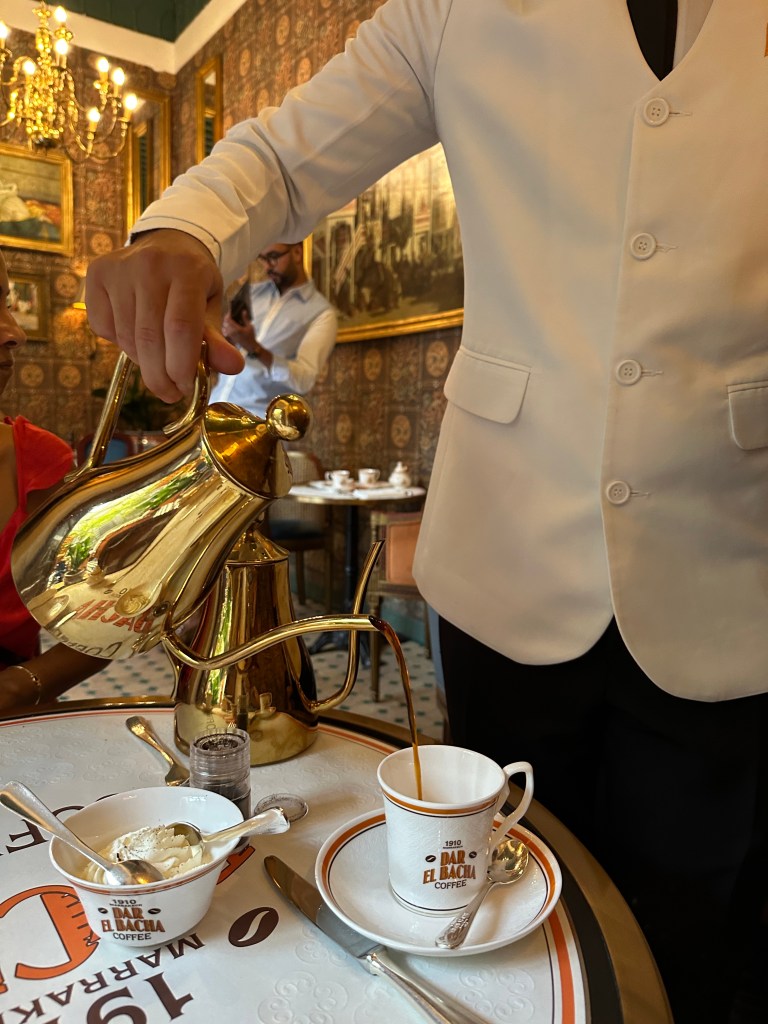
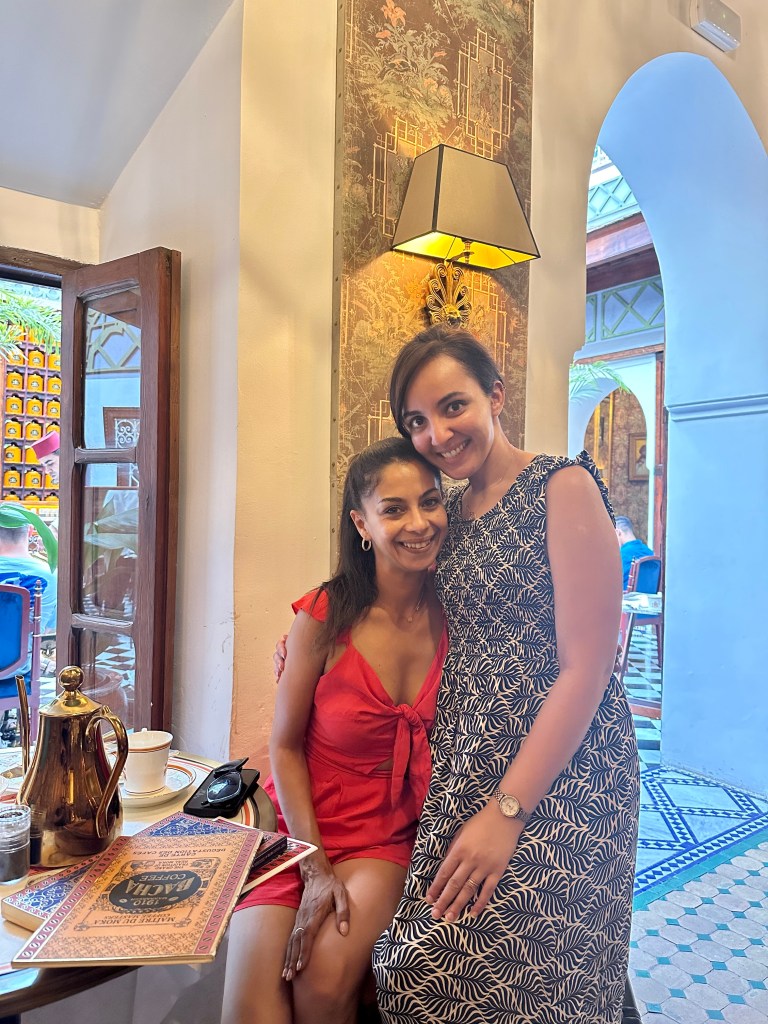
Ah, but you didn’t think I’d forget about the famous Moroccan mosaics, did you? We had the opportunity to explore this stunning style of architecture at Dar el Bacha, the estate of a former governor of Marrakesh. Following renovations in the 2000s, this impressive home now serves as a museum and hosts tourists the world over. Within the museum is an elegant cafe which boasts sale of a $100 cup of coffee!
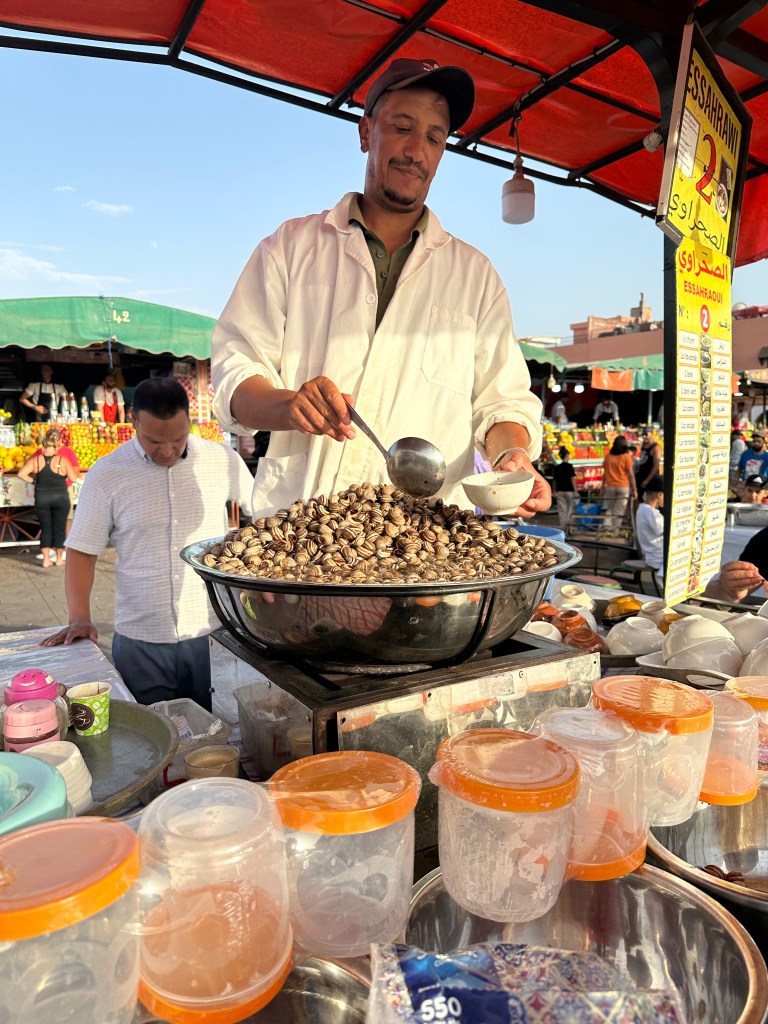
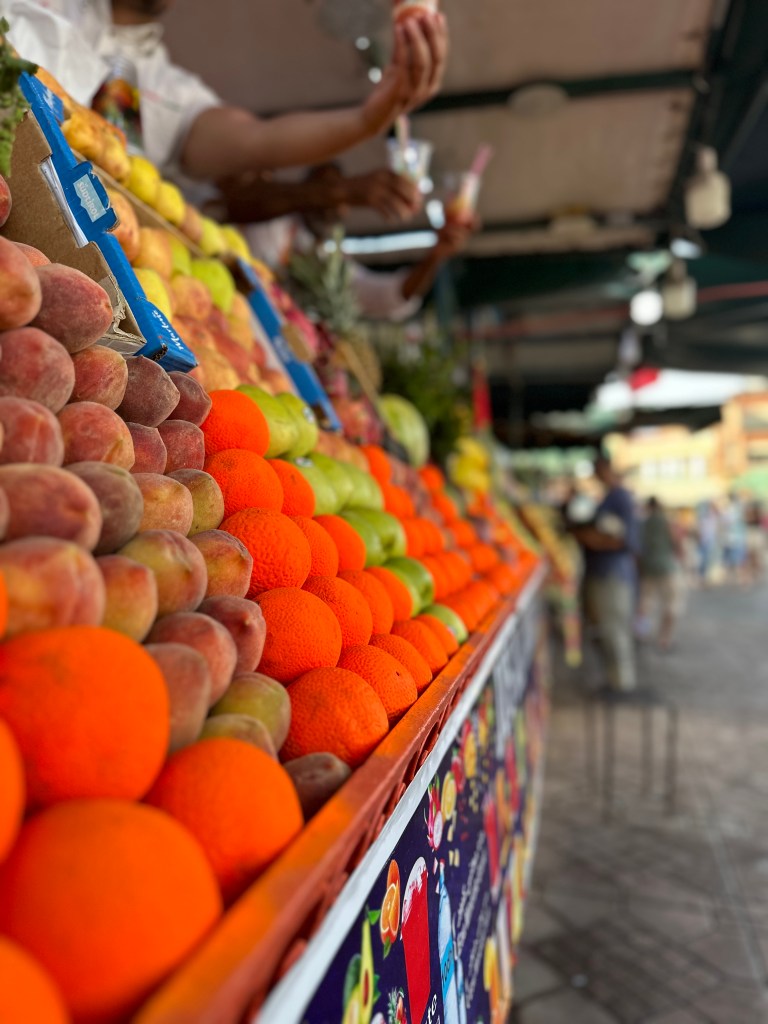
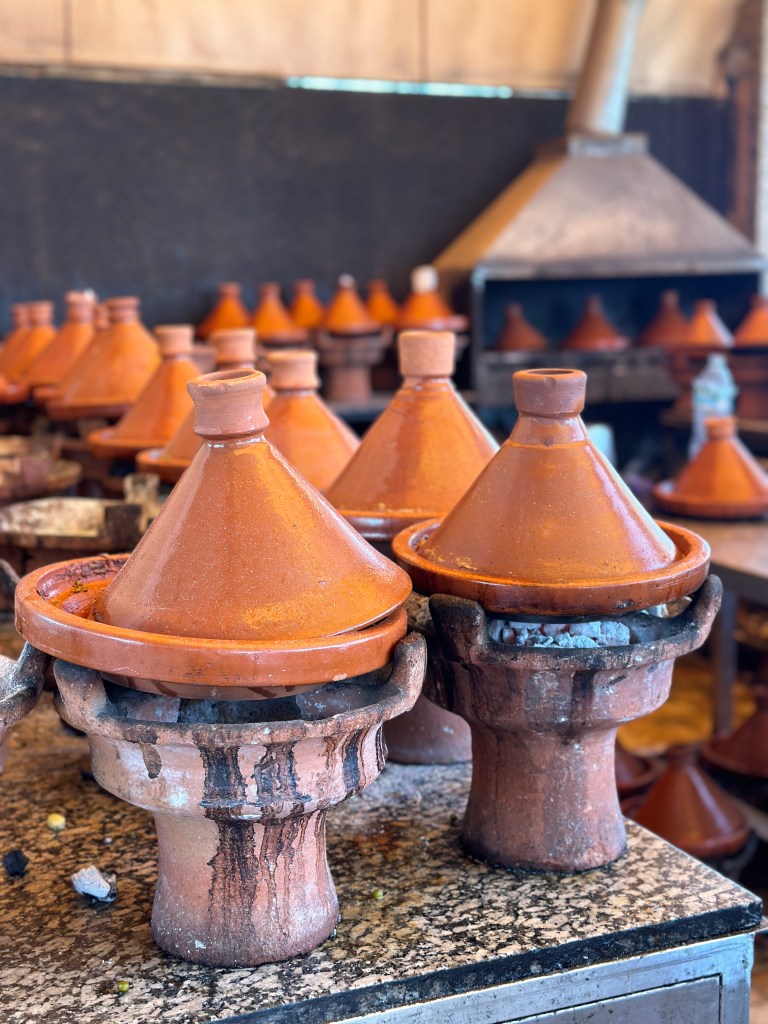
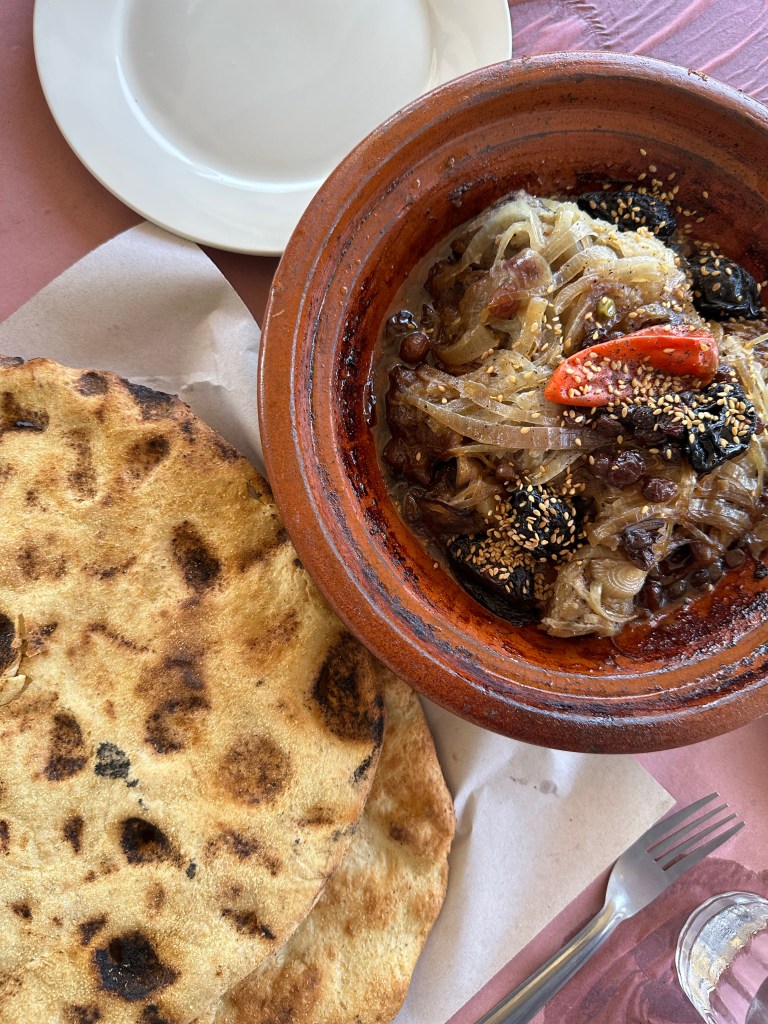
Certainly a post about Morocco would be incomplete without a nod to its food. Succulent meats with vegetables and fresh juices are served from expensive restaurants to roadside stalls- it’s hard to stay hungry!
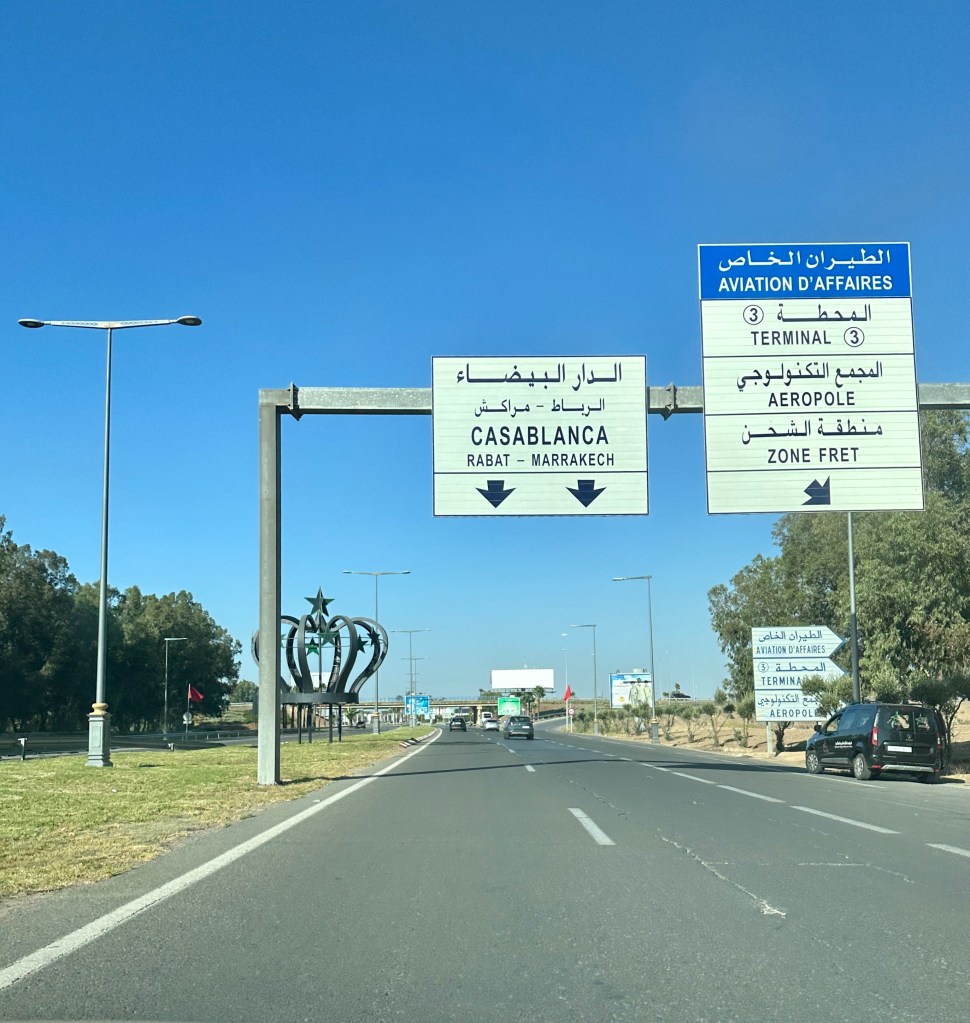
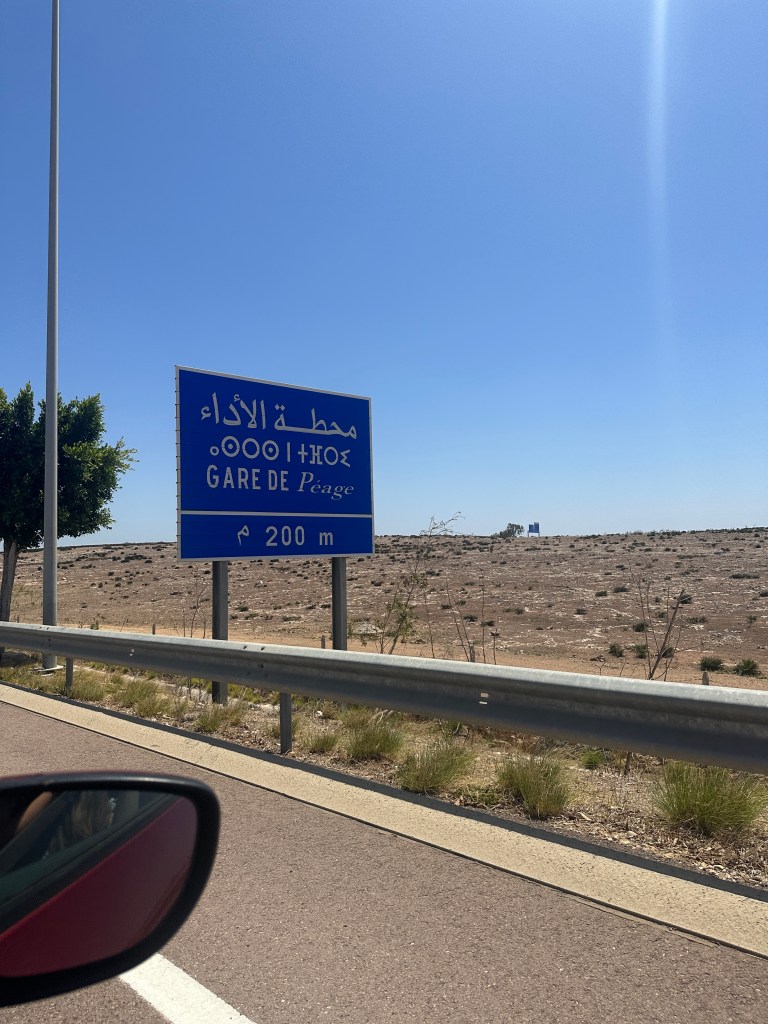
Finally, as a former linguistics major, I was particularly intrigued by the language signs. Expecting Arabic and French, I did not recognize a third script, which resembled Greek letters. I was informed by Sofia that the Amazigh community (the indigenous people of Morocco) was making efforts to reclaim and reignite its culture, gaining a significant victory when their language was recognized as an official language of Morocco in 2011.
I left Morocco grateful for all it had to offer. A special thank you again to Sofia. She embodies the wild, free spirit of her Amazigh ancestors and exemplifies the best of Moroccan hospitality.

 Casual Musings
Leave a reply to Charles Cancel reply